

Noise is the number one complaint about home gyms in apartments, condos and upper floors. The thud of a dumbbell set down, the slam of a deadlift, the pounding of jump rope or burpees and the hum of a treadmill all travel through floors and walls as impact noise and vibration, which is much harder to stop than airborne sound like music.
The best noise-reducing gym flooring combines thickness, a soft impact-absorbing layer and dense mass to stop vibration from reaching the structure. We compared solid rubber mats, thick foam and rubber-top tiles, stall-mat rubber, drop pads and equipment mats on how well they reduce impact noise, as well as stability, durability and price, using specs and buyer feedback.
Below are our top picks, a comparison table, detailed reviews and a buying guide on layering for quiet training. For heavy lifting, see the best home gym flooring for heavy weights, and for wood floors, compare the best home gym flooring over hardwood.
Top 3 Quiet Gym Flooring Picks

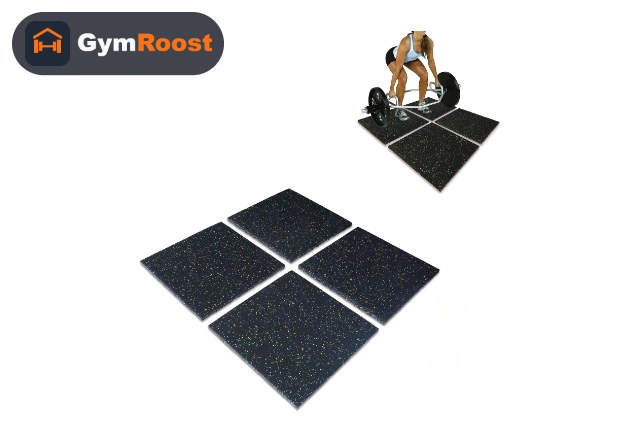
Nisorpa 1 in. Rubber Equipment Mats (4-Pack)
- Four 20 x 20 x 1 in. tiles
- High-density rubber
- Crush resistant
- Anti-vibration

SUPERJARE 1 in. Extra-Thick Rubber Top Mat
- 1 in. thick
- EPDM rubber top, EVA base
- Shock absorbing
- Interlocking

BalanceFrom 1 in. Puzzle Exercise Mat
- 1 in. thick EVA foam
- Interlocking tiles
- Borders included
- 2-year warranty
Noise-Reducing Gym Flooring Comparison
| Flooring | Best For | Key Specs | Amazon Rating | Price |
|---|---|---|---|---|
| 1. Nisorpa 1 in. Rubber Equipment Mats (4-Pack) | Best for Noise Reduction | Four 20 x 20 x 1 in. tiles; High-density rubber; Crush resistant | 4.4/5 | Check Price |
| 2. SUPERJARE 1 in. Extra-Thick Rubber Top Mat | Best Quiet Tile | 1 in. thick; EPDM rubber top, EVA base; Shock absorbing | 4.6/5 | Check Price |
| 3. BalanceFrom 1 in. Puzzle Exercise Mat | Best Budget Quiet Foam | 1 in. thick EVA foam; Interlocking tiles; Borders included | 4.6/5 | Check Price |
| 4. American Floor Mats Heavy Duty Stall Tiles 24 x 24 | Best Dense Rubber Base | 24 x 24 in. tiles; Stall-mat rubber; Easy to clean | 4.5/5 | Check Price |
| 5. Wintogo Deadlift Silencer Drop Pads (Pair) | Best for Dropped Barbells | 6 in. high-density foam; Pair of pads; Portable | 4.6/5 | Check Price |
| 6. Marcy Equipment Mat | Best Under Machines | 1/4 in. EVA foam; Non-slip matte layer; Fits treadmills, bikes, benches | 4.6/5 | Check Price |
| 7. AIRHOP 0.56 in. Rubber Top Gym Tiles (48 sq ft) | Best-Rated Hybrid | 12 tiles, 24 x 24 x 0.56 in.; Recycled rubber top, EVA base; Larger interlocking locks | 4.6/5 | Check Price |
1. Nisorpa 1 in. Rubber Equipment Mats (4-Pack) – Best for Noise Reduction
- Four 20 x 20 x 1 in. tiles
- High-density rubber
- Crush resistant
- Anti-vibration
Pros
- ✓ Solid rubber, not foam
- ✓ Quiet
- ✓ Good under racks
Cons
- ✗ Small coverage
- ✗ 24 reviews
- ✗ About $100
Nisorpa’s 1 inch rubber equipment mats are our top pick for noise reduction because they put a full inch of solid, high-density rubber exactly where the loudest impacts happen: under a dumbbell station, a bench, a rack or a treadmill. Unlike foam, which compresses and lets sharp impacts through, dense rubber has the mass to absorb and damp vibration before it reaches the subfloor, so a set-down dumbbell becomes a muted thud instead of a bang that carries through the house.
Nisorpa’s 1 inch rubber mats are solid high-density rubber, not foam, in 20 by 20 inch pieces. They are crush resistant under racks and machines.
They reduce vibration and noise.
Small coverage.
Each pack includes four 20 by 20 inch pieces, which you can arrange as a solid square under a lifting spot or as separate pads under machine feet and rack uprights. They are crush resistant, so they do not flatten over time under heavy equipment the way foam tiles do. Coverage is small, so most people combine them with a layer of rubber-top tiles across the rest of the room, but as a targeted fix for the spots that make the most noise, they offer the best mix of density, thickness and price here.
Best for: Quieting dumbbell stations, racks and machines in apartments and upper floors
May not fit: Covering a whole room on their own
2. SUPERJARE 1 in. Extra-Thick Rubber Top Mat – Best Quiet Tile
- 1 in. thick
- EPDM rubber top, EVA base
- Shock absorbing
- Interlocking
Pros
- ✓ Thickest rubber-top option
- ✓ Good for drops
- ✓ 4.6-star average
Cons
- ✗ About $180
- ✗ Foam base
- ✗ 120 reviews
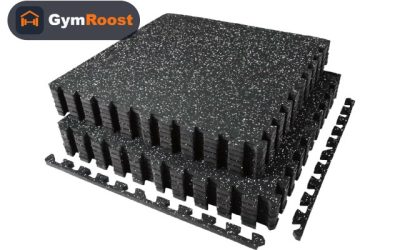
SUPERJARE’s 1 inch rubber-top tiles combine a soft foam base with a durable rubber top. The thick foam layer absorbs footfalls and dumbbell impacts across a whole training area. Because the tiles interlock across the room, they also stop the small rattles and squeaks that thin mats allow when equipment shifts during a workout.
SUPERJARE’s 1 inch rubber-top mats are the thickest hybrid option here, with an EPDM top on a high-density EVA base. They absorb heavy drops well.
They hold a 4.6-star average.
About $180.
Whole-room quiet flooring
Best for: Heavy barbell drops alone
May not fit: undefined
3. BalanceFrom 1 in. Puzzle Exercise Mat – Best Budget Quiet Foam
- 1 in. thick EVA foam
- Interlocking tiles
- Borders included
- 2-year warranty
Pros
- ✓ 60,000+ ratings
- ✓ Very cushioned
- ✓ Good for floor workouts
Cons
- ✗ Too soft for heavy equipment
- ✗ Foam dents
- ✗ Not for lifting drops
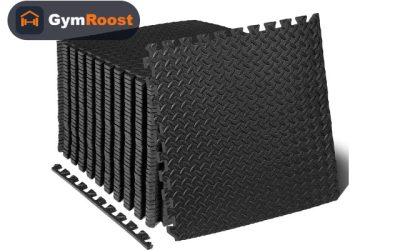
BalanceFrom’s 1 inch foam tiles are an inexpensive way to dampen footsteps and jumping. They suit HIIT, jump rope and bodyweight work, though foam dents under heavy racks. For renters, they are easy to lift and store and leave no residue; put a dense rubber mat under any bench so the foam is not crushed.
BalanceFrom’s 1 inch puzzle mat is extra cushioned EVA foam with borders and a 2-year warranty. It has more than 60,000 ratings.
It is excellent for floor workouts, stretching and bodyweight training.
Too soft for heavy equipment.
They are best for stretching, yoga, kids and bodyweight circuits rather than equipment areas, where 1 inch foam feels unstable.
HIIT and jumping
Best for: Racks
May not fit: undefined
4. American Floor Mats Heavy Duty Stall Tiles 24 x 24 – Best Dense Rubber Base

- 24 x 24 in. tiles
- Stall-mat rubber
- Easy to clean
- Made in USA
Pros
- ✓ Easy to carry
- ✓ Same rubber as stall mats
- ✓ Modular
Cons
- ✗ More seams
- ✗ Price per sq ft
- ✗ Few ratings
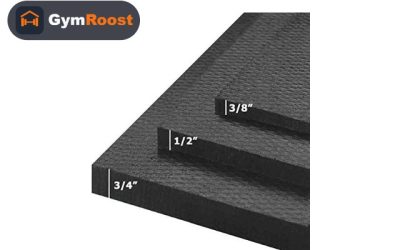
American Floor Mats’ 3/4 inch stall tiles add mass that blocks vibration. Dense rubber is the best base layer under drop pads and racks. Mass is what stops low-frequency vibration, and combining these tiles with pads where the bar lands is far quieter than either layer alone.
American Floor Mats’ stall tiles are 24 by 24 inch pieces of stall-mat rubber. They are easier to carry and fit than full mats.
Made in the USA.
More seams and higher cost per square foot.
Tiles let you build a stall-mat floor without lifting 100 lb mats, which makes them easier for basements and upper floors.
Racks and lifting
Best for: Weight-limited floors
May not fit: undefined
5. Wintogo Deadlift Silencer Drop Pads (Pair) – Best for Dropped Barbells

- 6 in. high-density foam
- Pair of pads
- Portable
- Protects floor and plates
Pros
- ✓ Huge noise reduction
- ✓ Easy to move
- ✓ 4.6-star average
Cons
- ✗ Only 30 reviews
- ✗ Bulky to store
- ✗ Not for standing on
Wintogo’s Deadlift Silencer pads sit under each end of a barbell to absorb drops. The 6 inch high-density foam pads cut the bang and vibration of deadlifts dramatically, which makes heavy pulling realistic in apartments and upper-floor rooms. Use them on top of a rubber base for the quietest results.
Wintogo’s Deadlift Silencer pads are 6 inch high-density foam pads placed under each plate, absorbing barbell drops and greatly reducing noise. They hold a 4.6-star average.
Portable for apartments and garages.
Bulky to store and only about 30 reviews.
Deadlifts in apartments
Best for: Dumbbell work
May not fit: undefined
6. Marcy Equipment Mat – Best Under Machines

- 1/4 in. EVA foam
- Non-slip matte layer
- Fits treadmills, bikes, benches
- Lightweight
Pros
- ✓ Protects floors under machines
- ✓ 5,200+ ratings
- ✓ About $36
Cons
- ✗ Thin
- ✗ Not cushioned for floor work
- ✗ Single size
Marcy’s equipment mat reduces treadmill and bike vibration. It keeps machines from transmitting rumble into the floor. Treadmill belts and flywheels create a constant low hum that travels through joists, and a dense mat interrupts that path while protecting the floor from sweat and dents.
Marcy’s equipment mat is a 1/4 inch EVA foam mat with a non-slip layer, sized for treadmills, bikes and benches. It has more than 5,200 ratings.
It protects floors under machines.
Thin for floor work.
Cardio machines
Best for: Lifting
May not fit: undefined
7. AIRHOP 0.56 in. Rubber Top Gym Tiles (48 sq ft) – Best-Rated Hybrid

- 12 tiles, 24 x 24 x 0.56 in.
- Recycled rubber top, EVA base
- Larger interlocking locks
- 48 sq ft
Pros
- ✓ 1,800+ ratings
- ✓ Quiet and cushioned
- ✓ Easy to install
Cons
- ✗ Not for heavy barbell drops
- ✗ About $120 for 48 sq ft
- ✗ Foam layer compresses
AIRHOP’s rubber-top tiles combine grip with a foam base that dampens noise. They suit most home workouts at a reasonable price. With more than 1,800 ratings, they are a dependable choice for a full room, softening footsteps and jumping while the rubber surface holds up to shoes and kettlebells.
AIRHOP’s 0.56 inch rubber-top tiles combine a recycled rubber surface with an EVA base and larger interlocking teeth. They are one of the best-reviewed hybrid tiles, with more than 1,800 ratings.
They are quiet and comfortable for dumbbell work, bodyweight training and cardio machines.
They are not built for heavy barbell drops.
They are one of the best options for home gyms that mix dumbbell training, bodyweight work and cardio machines, because the rubber surface resists shoe wear while the foam base stays comfortable for floor exercises.
General workouts
Best for: Heavy drops
May not fit: undefined
How to Choose Home Gym Flooring
Match the flooring to how you train
Flooring needs depend on the heaviest thing you will drop or set down. Bodyweight, yoga and light dumbbell work are fine on 1/2 inch foam or rubber-top tiles. Heavy dumbbells, racks and machines need at least 3/8 to 1/2 inch solid rubber. Deadlifts and barbell drops call for 3/4 inch stall mats, thick lifting tiles or a platform. Choose for your hardest training rather than your average session, because floors are expensive to replace.
Rubber, foam, hybrid or TPE
Solid rubber is the toughest and quietest under load but heavy and smelly at first. EVA foam is light, cheap and cushioned but dents under weights. Rubber-top foam tiles combine a grippy rubber surface with foam cushioning, a good middle ground for mixed training. TPE tiles are firm like rubber with almost no odor, at a higher price. Many home gyms combine materials: rubber under racks, foam or hybrid tiles elsewhere.
Mats, tiles or rolls
Large stall mats offer the most protection per dollar but are heavy and leave straight seams. Interlocking tiles are easy to carry, cut and rearrange. Rolled rubber gives seamless coverage but is awkward to move. Pick based on room shape, whether you might move, and how much lifting you can do yourself.
Thickness
Thicker flooring absorbs more impact and noise. 1/4 inch protects floors under machines, 3/8 to 1/2 inch handles general training, and 3/4 inch or more suits heavy lifting. Thicker foam can feel unstable underfoot for heavy squats, so keep foam thin under lifting areas.
Coverage and cost per square foot
Measure the training area and calculate cost per square foot rather than per box. Stall mats cost about $4 to $10 per square foot, rubber-top tiles $2.50 to $3.50, foam $0.70 to $2, and TPE $5 to $8. Buy 5 to 10 percent extra for cuts and spares.
Subfloor and moisture
Concrete basements and garages can wick moisture. A vapor barrier or moisture-resistant flooring prevents mold under mats. Over carpet, hardwood or tile, use firm, flat flooring that spreads load and will not trap moisture or scratch the surface below.
Odor and installation
New rubber off-gasses for days or weeks. Air mats outside or in a ventilated garage before installing indoors, and wash with mild soap. Lay mats tightly, trim with a sharp utility knife and a straightedge, and secure edges with tape or bevels to avoid trip hazards.
Budget
A small foam zone costs under $50, a rubber-top tile area of 48 to 96 square feet $120 to $170, and a full stall-mat floor for a one-car garage $700 to $1,500. Prioritize rubber where you lift heaviest and save elsewhere.
FAQ
What is the best flooring for noise reduction in a home gym?
Nisorpa’s 1 inch solid rubber mats are our top pick for quieting the loudest spots, such as dumbbell stations and racks. SUPERJARE’s 1 inch rubber-top tiles are best for whole-room coverage, and Wintogo’s drop pads handle barbell drops.
Does rubber flooring reduce noise?
Dense rubber blocks vibration, while softer foam absorbs impact. Layering both is most effective.
How can I lift weights quietly in an apartment?
Use drop pads or a layered platform, bumper plates, controlled lowering and a thick tile base.
Is thicker flooring always quieter?
Thicker helps, but a combination of soft and dense layers matters more than thickness alone.
What flooring is best for treadmills on upper floors?
A dense equipment mat plus anti-vibration pads under the feet reduces rumble.
Do foam mats reduce noise?
Foam reduces footsteps and jumping noise but is less effective against heavy dropped weights.
Can I build a DIY quiet platform?
Yes, layering rubber, plywood and foam creates an effective isolation platform for deadlifts.
Final Verdict
Nisorpa’s 1 inch rubber equipment mats are our top pick for noise reduction because dense rubber damps impact and vibration where it matters most. SUPERJARE’s 1 inch tiles are the best whole-room quiet flooring, and BalanceFrom’s foam is a budget option for jumping.
American Floor Mats’ stall tiles add a dense base, Wintogo’s pads silence deadlift drops, and Marcy’s mat quiets machines. For more flooring options, see the best home gym flooring.
No reviews yet. Be the first to share your experience!