

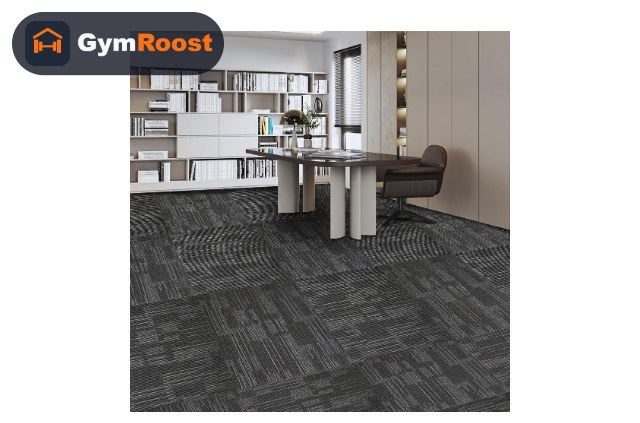
Basement gyms come with a particular flooring challenge: cold concrete slabs that can be damp or uneven. Carpet tiles warm up the space and make it comfortable for stretching, yoga and light training, but they need to handle moisture and stay flat.
The best basement carpet tiles use synthetic fibers, moisture-resistant backings and floating installation systems that let you lift tiles if needed. Rubber or silicone backings help them grip the slab without glue.
We compared six carpet tiles for basement gyms on moisture resistance, backing, installation and comfort. See also the best gym carpet tiles and the best gym floor tiles for home gym.
Top 3 Gym Carpet Tiles for Basement

ALTRUISTIC Commercial Carpet Tiles
- 18 tiles, 24 x 24 in., 72 sq ft
- Polypropylene with asphalt non-woven backing
- Tab stickers included
- Non-slip

Mohawk Stone Walk Carpet Tiles
- 24 x 24 in., 96 sq ft per carton
- Textured loop pile
- Glue down or FlexLok floating
- Moisture-impervious tiles

Petgrow Commercial Carpet Tiles
- 18 tiles, 24 x 24 in., 72 sq ft
- Polypropylene with rubber backing
- FlexLok tabs
- Vacuum friendly
Basement Gym Carpet Tile Comparison
| Carpet Tile | Best For | Key Specs | Amazon Rating | Price |
|---|---|---|---|---|
| 1. ALTRUISTIC Commercial Carpet Tiles | Best for Basement | 18 tiles, 24 x 24 in., 72 sq ft; Polypropylene with asphalt non-woven backing; Tab stickers included | 4.6/5 | Check Price |
| 2. Mohawk Stone Walk Carpet Tiles | Best Moisture Resistance | 24 x 24 in., 96 sq ft per carton; Textured loop pile; Glue down or FlexLok floating | 4.4/5 | Check Price |
| 3. Petgrow Commercial Carpet Tiles | Best Rubber-Backed | 18 tiles, 24 x 24 in., 72 sq ft; Polypropylene with rubber backing; FlexLok tabs | 4.3/5 | Check Price |
| 4. jxgzyy Padded Commercial Carpet Tiles | Best Silicone-Backed | 16 tiles, 20 x 20 in.; Nylon with silicone dot backing; No adhesive required | 4.3/5 | Check Price |
| 5. VEVOR Reusable Carpet Tiles | Best Padded | 24 tiles, 24 x 24 in.; 5-layer padded construction; Asphalt backing, 0.24 in. thick | 4.2/5 | Check Price |
| 6. Mohawk Home Peel and Stick Carpet Tiles | Best Peel and Stick | 24 x 24 in., 0.25 in. pile; 100% polyester; Peel and stick | 4.2/5 | Check Price |
1. ALTRUISTIC Commercial Carpet Tiles – Best for Basement
- 18 tiles, 24 x 24 in., 72 sq ft
- Polypropylene with asphalt non-woven backing
- Tab stickers included
- Non-slip
Pros
- ✓ 4.6-star average
- ✓ Easy to replace tiles
- ✓ Commercial durability
Cons
- ✗ About $140
- ✗ Heavy box
- ✗ Few ratings
ALTRUISTIC’s heavy-duty commercial carpet tiles are our top carpet tiles for a basement gym because their materials and installation method suit the conditions basements create. The surface is made from polypropylene, a synthetic fiber that doesn’t absorb water the way natural fibers do, and the backing is an anti-slip asphalt non-woven fabric that keeps tiles flat and resists warping and wrinkling, two common problems when temperature and humidity swing.
The installation system is ideal for basements too. Instead of gluing tiles to the concrete, you connect the four corners of neighboring tiles with the included tab stickers, so the floor floats over the slab. If you ever need to check the concrete for moisture, fix a leak or replace a stained tile, you simply lift the affected tiles out without damaging the floor. Eighteen 24 x 24-inch tiles cover 72 square feet, a typical small basement gym zone.
The dense, commercial-grade construction holds up to sneakers, stretching mats, light dumbbells and cardio machines, and the surface vacuums easily and wipes clean. Buyers give the tiles a 4.6-star average, among the highest in this category.
The box is heavy at 46 lb, and the tiles have about 75 ratings, fewer than Mohawk’s. They also aren’t designed for heavy barbells; use rubber in your lifting area. For a basement gym that needs a comfortable, replaceable floor, they’re our top pick.
Best for: Basement gyms with occasional dampness
May not fit: Heavy lifting areas
2. Mohawk Stone Walk Carpet Tiles – Best Moisture Resistance
- 24 x 24 in., 96 sq ft per carton
- Textured loop pile
- Glue down or FlexLok floating
- Moisture-impervious tiles
Pros
- ✓ Basement friendly
- ✓ Big brand
- ✓ Hides dirt well
Cons
- ✗ About $146
- ✗ Hard on knees for floor work
- ✗ Install takes planning
Mohawk’s Stone Walk tiles are described as impervious to moisture damage from spills and water-extraction cleaning, making them a strong basement choice. The textured loop pile hides dirt and resists crushing.
A carton covers 96 sq ft, and you can glue them down or float them with FlexLok connectors. They have more than 390 ratings at 4.4 stars.
At about $146 per carton they cost a little more, and the loop texture feels firm for floor work.
Best for: Damp basements
May not fit: Plush comfort
3. Petgrow Commercial Carpet Tiles – Best Rubber-Backed
- 18 tiles, 24 x 24 in., 72 sq ft
- Polypropylene with rubber backing
- FlexLok tabs
- Vacuum friendly
Pros
- ✓ No glue needed
- ✓ Easy to replace
- ✓ Good for basements
Cons
- ✗ 4.3 average
- ✗ Thin cushioning
- ✗ About $140
Petgrow’s commercial carpet tiles combine polypropylene with a rubber backing and FlexLok tabs that connect tiles without glue. Eighteen tiles cover 72 sq ft.
The rubber backing helps them stay put on concrete and makes them easy to lift when needed. They vacuum easily.
They have a 4.3-star average and modest cushioning.
Best for: Glue-free basement floors
May not fit: Plush feel
4. jxgzyy Padded Commercial Carpet Tiles – Best Silicone-Backed

- 16 tiles, 20 x 20 in.
- Nylon with silicone dot backing
- No adhesive required
- Flame retardant
Pros
- ✓ Soft padding
- ✓ No glue
- ✓ Cut to fit
Cons
- ✗ Small coverage
- ✗ Few ratings
- ✗ About $95
jxgzyy’s 20 x 20-inch nylon tiles use silicone-dot backing that grips without adhesive, and they’re flame retardant to Class 1 standards.
They’re easy to cut around basement posts and stairs and can be lifted for cleaning or to dry the floor.
A pack covers only about 43 sq ft, and they have about 50 ratings.
Best for: Odd-shaped basements
May not fit: Large rooms
5. VEVOR Reusable Carpet Tiles – Best Padded

- 24 tiles, 24 x 24 in.
- 5-layer padded construction
- Asphalt backing, 0.24 in. thick
- 40 adhesive stickers
Pros
- ✓ 96 sq ft per box
- ✓ Padded feel
- ✓ 300+ ratings
Cons
- ✗ Heavy box
- ✗ 4.2 average
- ✗ Not for heavy weights
VEVOR’s five-layer tiles feel soft underfoot, with an asphalt backing about 0.24 inch thick. A box covers 96 sq ft and includes adhesive stickers.
Padding adds warmth and comfort on cold basement slabs, which helps for yoga and stretching.
They’re heavy to ship and not suited to heavy weights.
Best for: Cold slabs
May not fit: Heavy equipment
6. Mohawk Home Peel and Stick Carpet Tiles – Best Peel and Stick

- 24 x 24 in., 0.25 in. pile
- 100% polyester
- Peel and stick
- Indoor/outdoor
Pros
- ✓ Big brand
- ✓ Easy DIY install
- ✓ Stain and fade resistant
Cons
- ✗ Adhesive on concrete may need prep
- ✗ Thin pile
- ✗ About $134
Mohawk Home’s peel-and-stick polyester tiles offer stain and fade protection and are rated for basements and garages.
They install quickly without tools.
Concrete may need preparation for the adhesive to bond well.
Best for: Fast installs
May not fit: Damp slabs
How to Choose Gym Carpet Tiles
Know when carpet tiles make sense
Carpet tiles are a good choice for stretching, yoga, Pilates, mobility work, bodyweight circuits, light dumbbells and most cardio machines, especially in a finished basement, bonus room or spare bedroom. They add warmth and comfort compared with bare concrete or laminate, reduce echo and footstep noise, and make the gym feel like part of the house. They are not a replacement for rubber under heavy barbells, squat racks or anywhere you drop weights, because carpet doesn’t absorb impact or resist denting the way dense rubber does.
Choose the backing and installation type
Peel-and-stick tiles have adhesive on the back and bond to the subfloor, which makes them quick to install but harder to remove cleanly. Tab-based systems, such as FlexLok connectors or corner tab stickers, join neighboring tiles so the floor floats without glue. Rubber and silicone-dot backings stay in place through friction alone. Floating systems are easier to lift for repairs or moisture checks and to replace a single damaged tile, which is a big advantage in rentals and basements.
Look at pile, density and padding
Low, dense loop pile wears best under shoes and equipment, hides dirt and chalk dust, and is easiest to vacuum, which is why commercial gyms and offices use it. Cut pile and plush tiles feel softer for floor exercises but show traffic patterns sooner and compress under machines. Padded tiles, like VEVOR’s five-layer construction, add comfort for knees and elbows during core work and stretching.
Prioritize moisture resistance in basements
Basements can be damp, so choose synthetic fibers such as polypropylene, polyester, nylon or PET and backings described as moisture resistant. Mohawk’s Stone Walk tiles, for example, are described as impervious to moisture damage from spills and water-extraction cleaning. Before installing, fix any leaks, run a dehumidifier if needed and consider a simple moisture test on the concrete.
Combine carpet tiles with rubber
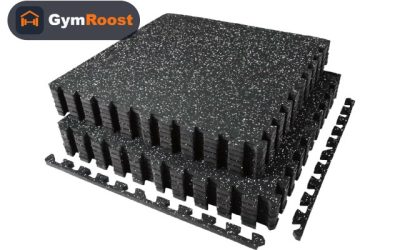
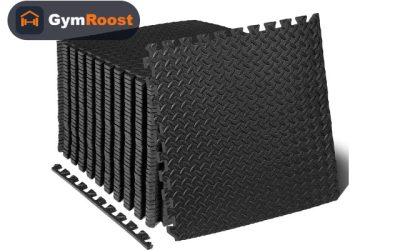
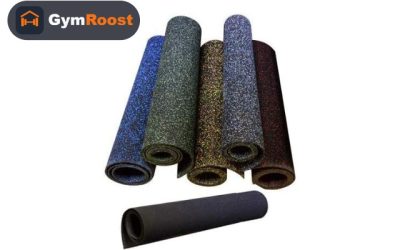
A popular and cost-effective setup uses carpet tiles for most of the room and a rubber mat or rubber-top tile zone under the power rack, treadmill or dumbbell area. That way the room stays comfortable and quiet, while the floor is protected where impacts happen. Use a low transition strip so the change in height doesn’t create a tripping edge.
Calculate coverage and buy spares
Most boxes cover between 43 and 96 square feet. Measure your room, add 5 to 10 percent for cuts around walls and posts, and keep a few spare tiles from the same batch. Being able to swap out a stained or worn tile with an identical one is one of the main benefits of carpet tiles over broadloom carpet.
Plan for cleaning and maintenance
Vacuum regularly to remove grit that can wear the fibers, and spot clean spills promptly with mild detergent. Many tiles can be lifted individually and rinsed or replaced. Keep a door mat at the entrance to reduce dirt brought in from outside or the garage.
Keep edges flat and safe
Make sure tile edges are flat and secured, especially along walkways and where carpet meets rubber flooring. Route extension cords along walls or under tiles where the product allows, and avoid placing heavy equipment legs on tile seams, which can lift corners over time.
FAQ
Can you put carpet tiles on a basement floor?
Yes, as long as the concrete is reasonably dry. Fix any leaks first, consider taping a piece of plastic sheet to the slab for a day to check for moisture, and choose tiles with synthetic fibers and moisture-resistant backings. Floating installation lets you lift tiles later to check the slab or dry out a spill.
Do basement carpet tiles need an underlayment?
Usually not. Padded tiles like VEVOR’s and rubber-backed tiles like Petgrow’s provide cushioning and a little insulation from the cold slab on their own. Adding a separate underlay can trap moisture and make tiles less stable.
Will carpet tiles get moldy in a basement?
Synthetic fibers such as polypropylene and nylon, along with asphalt, rubber or silicone backings, resist mold far better than natural fibers. Persistent moisture can still cause problems, so run a dehumidifier and address water issues before installing any flooring.
Should I glue down basement carpet tiles or float them?
Floating tiles, held together by tabs or friction backings, are better in most basements because you can lift sections to inspect or dry the concrete and replace damaged tiles without solvents.
Can I lift weights on basement carpet tiles?
Light dumbbells and bodyweight work are fine. For racks, barbells and heavier dumbbells, add a rubber mat or rubber tiles on top of or instead of carpet in that area.
How do I clean basement carpet tiles?
Vacuum regularly, spot clean spills right away with mild detergent and lift individual tiles to rinse them if needed.
Final Verdict
ALTRUISTIC’s commercial carpet tiles are the best gym carpet tiles for basements, combining polypropylene, a warp-resistant backing and glue-free tab installation. Mohawk’s Stone Walk tiles offer the best moisture resistance.
Petgrow’s rubber-backed tiles grip without glue, jxgzyy’s silicone tiles suit odd layouts, VEVOR’s padded tiles add warmth and Mohawk’s peel-and-stick tiles are the fastest to install.
No reviews yet. Be the first to share your experience!