

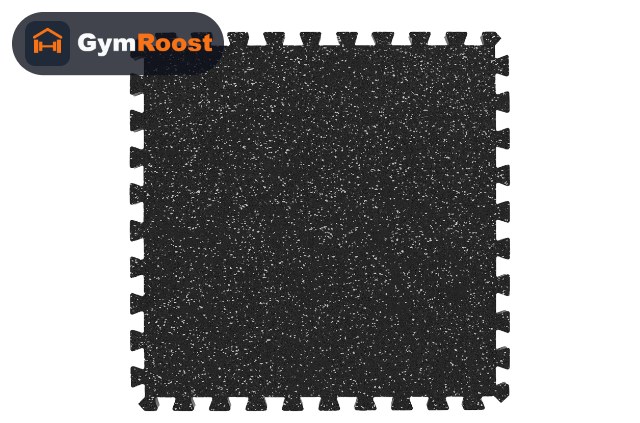
Concrete is the most common home gym subfloor, especially in garages and basements, and interlocking mats are the easiest way to cover it. Bare concrete is hard on joints, cold, dusty and unforgiving to dropped weights, while interlocking tiles add cushioning, warmth and grip and can be laid in an afternoon without adhesive.
Concrete brings its own challenges, though. Slabs can be uneven, damp or cold, and garages see temperature swings that make cheap foam curl or shrink. We compared interlocking mats for concrete on cushioning, durability under weights, how well they stay locked together, moisture handling, grip and price per square foot.
Below are our top picks, a comparison table, detailed reviews and a buying guide. For non-interlocking options, see the best home gym flooring for concrete, and for garages specifically, compare the best flooring for a garage gym.
Top 3 Interlocking Mats for Concrete

IncStores Impact Rubber-Top Interlocking Tiles
- Recycled rubber top
- Closed-cell EVA foam
- 2 x 2 ft tiles
- Interlocking

American Floor Mats Heavy Duty Stall Tiles 24 x 24
- 24 x 24 in. tiles
- Stall-mat rubber
- Easy to clean
- Made in USA

SUPERJARE 0.56 in. Rubber Top Tiles (96 sq ft)
- 0.56 in. thick
- EPDM rubber top, EVA base
- 24 tiles
- 96 sq ft
Interlocking Mats for Concrete Comparison
| Floor Mats | Best For | Key Specs | Amazon Rating | Price |
|---|---|---|---|---|
| 1. IncStores Impact Rubber-Top Interlocking Tiles | Best for Concrete | Recycled rubber top; Closed-cell EVA foam; 2 x 2 ft tiles | 4.5/5 | Check Price |
| 2. American Floor Mats Heavy Duty Stall Tiles 24 x 24 | Best Solid Rubber Tiles | 24 x 24 in. tiles; Stall-mat rubber; Easy to clean | 4.5/5 | Check Price |
| 3. SUPERJARE 0.56 in. Rubber Top Tiles (96 sq ft) | Best Rubber-Top Tiles | 0.56 in. thick; EPDM rubber top, EVA base; 24 tiles | 4.5/5 | Check Price |
| 4. CAP 3/4 in. EVA Foam Puzzle Mat (48 sq ft) | Best Thick Foam | 3/4 in. EVA foam; 12 tiles, 24 x 24 in.; 48 sq ft | 4.6/5 | Check Price |
| 5. BalanceFrom 3/4 in. EVA Puzzle Mat | Best Budget | 3/4 in. EVA foam; 6 tiles, 24 x 24 in.; 24 sq ft | 4.6/5 | Check Price |
| 6. AIVORO 0.6 in. Rubber Top Gym Tiles | Best Recycled Rubber Top | 0.6 in. thick; Recycled rubber top, EVA base; 24 x 24 in. tiles | 4.5/5 | Check Price |
| 7. BASELAYER Balance Series TPE Tiles | Best Odor-Free | 1/2 in. TPE; 19 x 19 in. tiles; 15 sq ft per pack | 4.7/5 | Check Price |
1. IncStores Impact Rubber-Top Interlocking Tiles – Best for Concrete
- Recycled rubber top
- Closed-cell EVA foam
- 2 x 2 ft tiles
- Interlocking
Pros
- ✓ Tough for weights
- ✓ Firm cushioning
- ✓ Versatile
Cons
- ✗ About $161
- ✗ 145 ratings
- ✗ Rubber odor at first
IncStores’ Impact interlocking tiles are our top pick for concrete because they solve both of the big problems with training on a slab: hardness and wear. Each 2 by 2 ft tile bonds a recycled rubber wear surface to closed-cell EVA foam, so you get the grip and durability of rubber on top with real cushioning underneath. Closed-cell foam does not absorb water, which matters on basement and garage slabs that can sweat or wick moisture.
IncStores’ Impact tiles bond a recycled rubber top to closed-cell EVA foam in 2 by 2 ft interlocking pieces, built for rough workouts like wrestling, plyometrics and weight training.
Firm, forgiving and tough enough for dumbbells.
Costs more than plain foam.
The rubber face stands up to dumbbells, kettlebells, plyometrics and shoes far better than plain foam, and IncStores markets them for rough workouts like wrestling and weight training. The tiles lock together into a continuous floor that bridges small dips and cracks in the slab. They cost more than foam puzzle mats and carry an initial rubber smell, but for a durable, cushioned interlocking floor on concrete, they are the most capable tiles here.
Best for: Garage and basement slabs used for mixed training
May not fit: The tightest budgets
2. American Floor Mats Heavy Duty Stall Tiles 24 x 24 – Best Solid Rubber Tiles
- 24 x 24 in. tiles
- Stall-mat rubber
- Easy to clean
- Made in USA
Pros
- ✓ Easy to carry
- ✓ Same rubber as stall mats
- ✓ Modular
Cons
- ✗ More seams
- ✗ Price per sq ft
- ✗ Few ratings
American Floor Mats’ 24 inch stall tiles are solid 3/4 inch rubber with interlocking edges, the best choice for racks and heavy plates on concrete. They are heavy enough to stay flat on uneven slabs and shrug off cold and moisture.
American Floor Mats’ stall tiles are 24 by 24 inch pieces of stall-mat rubber. They are easier to carry and fit than full mats.
Made in the USA.
More seams and higher cost per square foot.
Tiles let you build a stall-mat floor without lifting 100 lb mats, which makes them easier for basements and upper floors.
Racks and heavy plates On paper, you get 24 x 24 in. tiles, stall-mat rubber, easy to clean. Its biggest strengths are easy to carry and modular; keep in mind more seams before ordering.
Best for: Light setups
May not fit: undefined
3. SUPERJARE 0.56 in. Rubber Top Tiles (96 sq ft) – Best Rubber-Top Tiles
- 0.56 in. thick
- EPDM rubber top, EVA base
- 24 tiles
- 96 sq ft
Pros
- ✓ 2,000+ ratings
- ✓ Better value per sq ft
- ✓ Grippy and quiet
Cons
- ✗ Foam dents under racks
- ✗ About $240
- ✗ Not for heavy drops
SUPERJARE’s 0.56 inch rubber-top tiles combine an EPDM rubber surface with EVA foam, cushioning hard concrete while resisting wear. The 96 sq ft pack covers a full bay at a good price per square foot.
SUPERJARE’s 96 sq ft pack uses the same 0.56 inch rubber-top tiles as its 48 sq ft set, doubling coverage for larger rooms.
Better value per square foot.
Foam base dents under heavy racks.
Mixed training The specifications to note are epdm rubber top, eva base, 24 tiles, 96 sq ft. In daily use the advantages are better value per sq ft and grippy and quiet, and the drawbacks are about $240 and not for heavy drops.
Best for: Heavy racks
May not fit: undefined
4. CAP 3/4 in. EVA Foam Puzzle Mat (48 sq ft) – Best Thick Foam

- 3/4 in. EVA foam
- 12 tiles, 24 x 24 in.
- 48 sq ft
- Finishing strips
Pros
- ✓ About $50
- ✓ Good coverage
- ✓ Water resistant
Cons
- ✗ Foam dents
- ✗ 538 ratings
- ✗ Not for heavy weights
CAP’s 3/4 inch EVA tiles add thick cushioning and warmth over cold concrete for about $50 per 48 sq ft. They are ideal for bodyweight and cardio areas next to a rubber lifting zone.
CAP’s 3/4 inch EVA foam set covers 48 sq ft with twelve 24 inch tiles, a diamond-textured water-resistant surface and finishing strips.
Thick cushioning at a low price per square foot.
Foam, not rubber, so racks will dent it.
Bodyweight and cardio Key details include 3/4 in. eva foam, 12 tiles, 24 x 24 in., 48 sq ft. Buyers most often praise that it is about $50 and good coverage, while the main trade-offs to weigh are foam dents and 538 ratings.
Best for: Heavy equipment
May not fit: undefined
5. BalanceFrom 3/4 in. EVA Puzzle Mat – Best Budget

- 3/4 in. EVA foam
- 6 tiles, 24 x 24 in.
- 24 sq ft
- Double-sided texture
Pros
- ✓ 60,000+ ratings
- ✓ About $32
- ✓ Thick cushioning
Cons
- ✗ Dents under racks
- ✗ Foam odor at first
- ✗ Small coverage
BalanceFrom’s 3/4 inch puzzle mat has more than 60,000 ratings and costs about $32 for 24 sq ft. It is the cheapest way to make a concrete slab comfortable for floor work.
BalanceFrom’s 3/4 inch EVA puzzle mat covers 24 sq ft with six 24 by 24 inch tiles, has double-sided non-slip texture and more than 60,000 ratings.
Cheap, thick and hugely popular.
Foam dents under heavy equipment.
Budget setups On paper, you get 3/4 in. eva foam, 6 tiles, 24 x 24 in., 24 sq ft. Its biggest strengths are 60,000+ ratings and thick cushioning; keep in mind dents under racks before ordering.
Best for: Racks
May not fit: undefined
6. AIVORO 0.6 in. Rubber Top Gym Tiles – Best Recycled Rubber Top

- 0.6 in. thick
- Recycled rubber top, EVA base
- 24 x 24 in. tiles
- Secure interlock
Pros
- ✓ Good under benches
- ✓ Expandable layout
- ✓ About $100
Cons
- ✗ 51 ratings
- ✗ Foam base
- ✗ Rubber odor at first
AIVORO’s 0.6 inch tiles bond recycled rubber to EVA foam, giving a firm, grippy surface over concrete for benches and dumbbells.
AIVORO’s 0.6 inch tiles bond a recycled rubber top to high-density EVA foam with secure interlocking edges.
Good under benches and dumbbells.
Few ratings so far.
Bench and dumbbell areas The specifications to note are recycled rubber top, eva base, 24 x 24 in. tiles, secure interlock. In daily use the advantages are expandable layout and about $100, and the drawbacks are foam base and rubber odor at first.
Best for: Proven track record
May not fit: undefined
7. BASELAYER Balance Series TPE Tiles – Best Odor-Free

- 1/2 in. TPE
- 19 x 19 in. tiles
- 15 sq ft per pack
- Precision interlock
Pros
- ✓ No foam odor
- ✓ Flush seams
- ✓ Premium look
Cons
- ✗ Small coverage
- ✗ Edges extra
- ✗ About $140
BASELAYER’s TPE tiles are rubber-like without foam or rubber odor, a good fit for finished basements with concrete floors. Coverage per pack is small, so they suit smaller areas.
BASELAYER’s Balance Series tiles are injection-molded 1/2 inch TPE, a rubber-like, odor-free material, in 19 by 19 inch tiles covering 15 sq ft per pack.
Precise flush interlock and no foam odor.
Edges sold separately and coverage per pack is small.
Finished basements Key details include 1/2 in. tpe, 19 x 19 in. tiles, 15 sq ft per pack. Buyers most often praise that it is no foam odor and flush seams, while the main trade-offs to weigh are small coverage and edges extra.
Best for: Large garages on a budget
May not fit: undefined
How to Choose Interlocking Gym Floor Mats
Foam, rubber-top or TPE
EVA foam tiles are cheap, light and cushioned, ideal for bodyweight training, yoga and kids’ areas. Rubber-top tiles add a durable, grippy surface for dumbbells and machines. TPE tiles are firm and odor-free for heavier training. Choose based on the heaviest load the floor will see. Many home gyms combine materials: rubber-top tiles in lifting zones and foam where they stretch or do bodyweight work.
Thickness
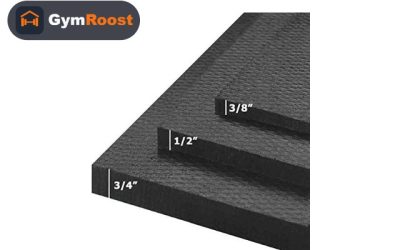
1/2 inch is standard for foam; 3/4 to 1 inch adds cushioning for floor work but can feel unstable under heavy lifts. Rubber-top tiles of 0.56 to 0.79 inches balance cushioning and firmness. Thicker foam is also warmer on cold basement floors.
Tile size and coverage
24 by 24 inch tiles are most common; larger 30 inch tiles mean fewer seams. Calculate square footage and buy extra for edges and cuts. Border pieces give a clean finish. Check how many tiles and border pieces are included, since packs vary.
Interlock quality
Deeper, tighter teeth keep tiles from separating during workouts. Cheap tiles drift apart. Reviews often mention gaps forming over time. Teeth that interlock deeply also resist curling at the edges.
Durability
Foam dents under machines and heavy weights. Place equipment mats or rubber under racks. Rubber-top tiles resist wear better. Moving equipment slightly every few months spreads wear.
Odor and materials
Look for phthalate-free foam and low-odor rubber. TPE is nearly odorless. Air new tiles out for a day if they have a smell.
Cleaning
Wipe tiles with mild soap. Lift and clean underneath occasionally. Avoid harsh chemicals that can break down foam.
Budget
Foam tiles cost $20 to $140 for 24 to 144 square feet; rubber-top tiles $90 to $180 for 48 to 96 square feet; TPE about $140 to $250 per pack. Calculate cost per square foot to compare packs fairly.
FAQ
What are the best interlocking gym mats for concrete?
IncStores’ Impact rubber-faced tiles are our top pick for cushioning and durability on concrete. American Floor Mats’ stall tiles are best for racks, and SUPERJARE’s rubber-top tiles are a strong hybrid option.
Do I need a vapor barrier under interlocking mats on concrete?
On damp basement or garage slabs, a breathable underlayment or periodic lifting helps prevent trapped moisture. Closed-cell foam and rubber resist water better than open-cell foam.
Will foam mats curl on a cold garage floor?
Cheap foam can shrink or curl in temperature swings. Rubber and rubber-top tiles stay flatter, and border pieces help hold edges down.
How thick should mats be on concrete?
3/4 inch foam or 0.56 to 0.79 inch rubber-top tiles for general training, and 3/4 inch solid rubber for racks and heavy weights.
Can I glue interlocking tiles to concrete?
It is rarely necessary. Loose-laying keeps tiles removable; double-sided tape can stop edges shifting.
How do I clean mats on concrete?
Sweep or vacuum dust, then mop with mild soap. Lift tiles occasionally to clean the slab underneath.
Are interlocking tiles better than stall mats on concrete?
Tiles are lighter and easier to install alone; stall mats are cheaper per square foot and better for heavy drops.
Final Verdict
IncStores’ Impact tiles are our top interlocking mats for concrete because their rubber face and closed-cell foam handle hard, damp slabs and mixed training. American Floor Mats’ stall tiles are best for racks, and SUPERJARE’s rubber-top tiles are a great all-rounder.
CAP and BalanceFrom add cheap cushioning, AIVORO is a recycled rubber-top alternative, and BASELAYER’s TPE tiles suit finished basements. For all interlocking options, see the best interlocking gym floor tiles.
No reviews yet. Be the first to share your experience!